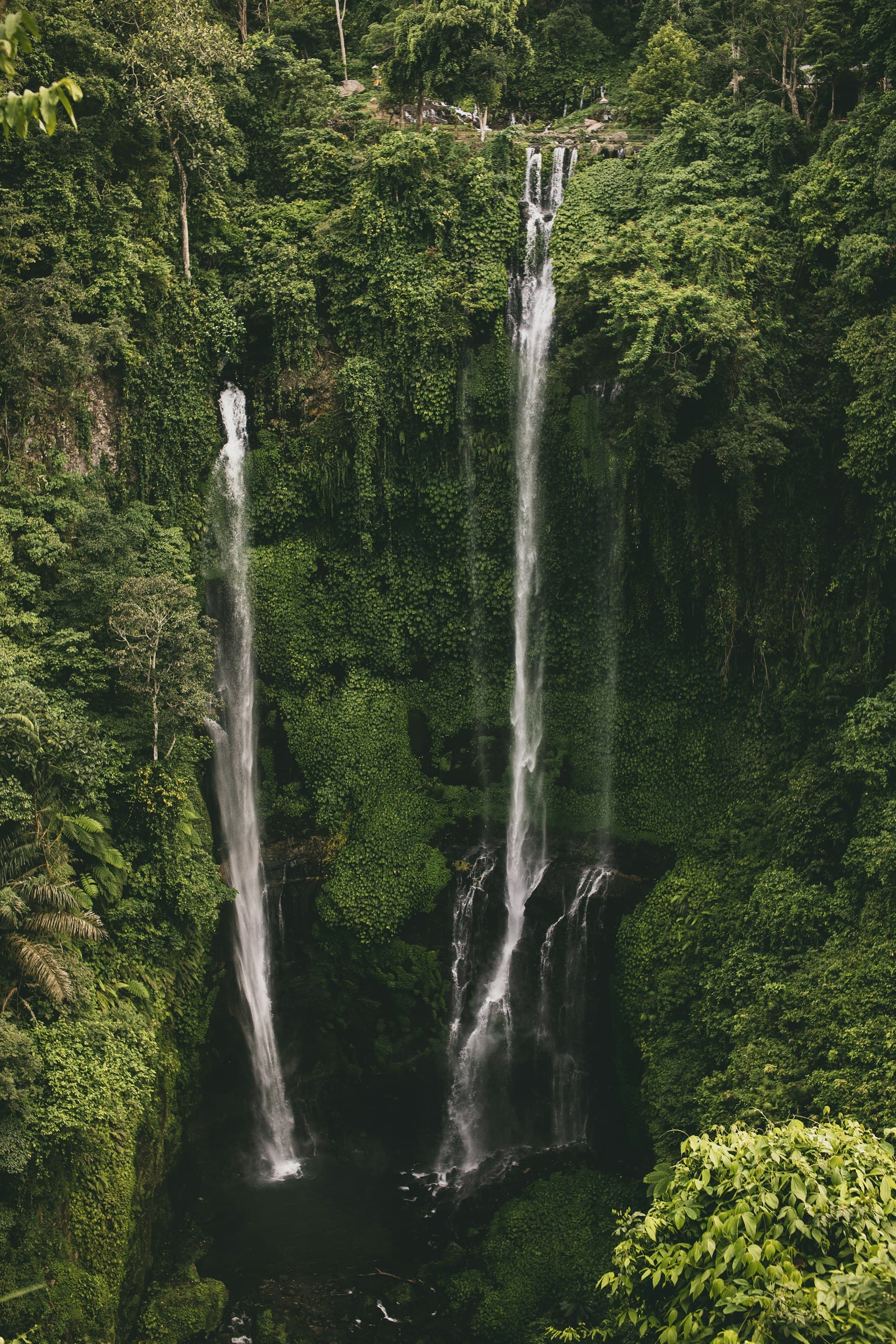
Bali's dry season (April–October) offers sunny skies and is the most popular time to visit. The wet season (November–March) brings afternoon showers but also lush landscapes, fewer crowds, and lower prices. Shoulder months like April and October offer the best of both worlds.
The best way to explore Bali is with a private driver who knows the roads, the shortcuts, and the hidden gems. Ride-hailing apps work in tourist areas, while scooter rental is popular but comes with risks on busy roads. Taxis are available in cities but hard to find in rural areas.
Indonesia uses the Rupiah (IDR). ATMs are widely available in tourist areas, and many shops accept cards. Tipping is not mandatory but always appreciated — rounding up or leaving 10–15% at restaurants is common. Private tour prices are per vehicle, making group travel very affordable.
Pack light, breathable clothing for the tropical heat. A sarong and sash are essential for temple visits — you can buy them locally or borrow at major temples. Reef-safe sunscreen protects Bali's coral reefs. A light rain jacket is useful year-round for unexpected showers.
Drink only bottled or filtered water in Bali. The sun is strong near the equator — wear sunscreen and a hat, especially during midday. Traffic is the biggest safety concern; always be alert when crossing roads. Respect temple rules and listen to local guides for the safest experience.
Local SIM cards (Telkomsel, XL) are cheap and offer good 4G coverage across Bali. Buy one at the airport or any mobile shop. Most hotels and cafés offer free Wi-Fi. Indonesia uses type C/F plugs with 230V — bring an adapter if coming from the US, UK, or Australia.